Agriculture News

Agriculture News

The plight of those who lost land for the naval base: Who will listen to the plight of those who gave up land for the defense of the country?

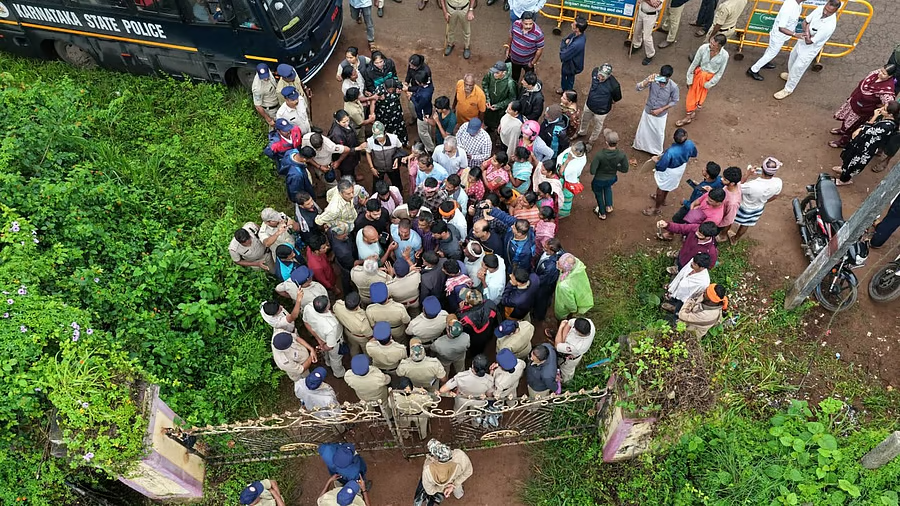
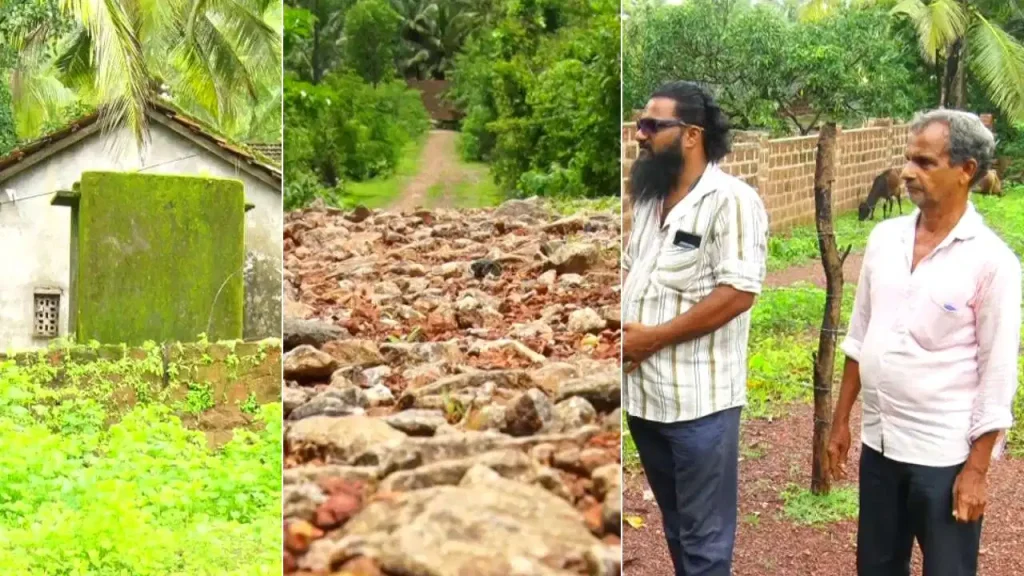
Karwar: The development of the Project Seabird naval base in Karwar brought strategic importance to the region, but it also came at a significant cost for families whose land was acquired for the project. Private land measuring about 2,412 acres across 13 villages in Karwar and Ankola taluks was acquired between 1988 and 2000 for the naval base. For many affected families, the loss was not simply the loss of property. Agricultural land and other assets were closely connected to their livelihoods and future generations. Over the years, displaced families have raised concerns regarding compensation, rehabilitation, employment opportunities and basic amenities. Parliamentary records have also documented grievances raised by affected people, including demands for employment, rehabilitation assistance and support for fishing-related livelihoods. The compensation issue has also involved prolonged legal proceedings. Some former landowners challenged the original compensation, and courts subsequently awarded enhanced compensation. The Supreme Court confirmed an enhanced rate of ₹4.60 lakh per acre in the relevant cases, after which the Defence Ministry deposited substantial amounts for distribution to eligible landowners. Although rehabilitation measures have been implemented for some affected families, questions about whether all eligible families have received timely and adequate relief have remained a concern. In 2018, the Defence Ministry reported rehabilitation assistance and compensation for affected families, including cheques distributed to 30 rehabilitated households. The people who surrendered their land for a project of national defence deserve recognition as well as effective rehabilitation. Their concerns should not be forgotten once the infrastructure is completed. Ensuring timely compensation, resolving pending claims, creating livelihood opportunities and addressing the needs of displaced families can help honour the contribution they made to the country.

Agriculture News

In getting together for work, communities come together

Uttara Kannada: Community cooperation has always played an important role in the social and economic life of Uttara Kannada. When people come together to work toward a common goal, they not only complete tasks more effectively but also strengthen relationships and build a sense of shared responsibility. From agricultural activities and conservation efforts to village development and local initiatives, collective participation helps communities address challenges more efficiently. People contribute their time, skills and resources, creating opportunities for mutual support and cooperation. Such collective efforts are particularly valuable in rural and coastal areas, where community participation can support livelihoods, environmental protection and local development. Working together also helps pass traditional knowledge and practices from one generation to the next. Beyond the work itself, these activities create a stronger sense of unity, belonging and social connection. When communities come together with a shared purpose, they can build more resilient villages and contribute to the sustainable development of the region.

Agriculture News

Rejuvenating the coastal bioshields

Uttara Kannada: Coastal ecosystems are facing growing pressure from erosion, storms, rising sea levels and human activity, making the restoration of coastal bioshields increasingly important. Mangroves, coastal vegetation and other natural barriers play a crucial role in protecting villages, agricultural land and biodiversity along the shoreline. Rejuvenating these natural buffers can help reduce the impact of coastal erosion and extreme weather events while supporting fish, birds and other wildlife. Restoring native vegetation and protecting existing mangrove ecosystems can also improve the ecological health of coastal areas. For a district like Uttara Kannada, with its extensive coastline and rich natural resources, community participation is essential. Protecting coastal vegetation, preventing unnecessary clearing and encouraging scientific restoration can help create stronger and more resilient coastal landscapes. The revival of coastal bioshields is therefore not just an environmental initiative—it is also an investment in livelihood security, climate resilience and the long-term protection of coastal communities.

Agriculture News

Kharland project: Karnataka govt plans to reclaim 21K acre agri land

Karwar: The Karnataka Government is moving ahead with the Kharland Reclamation Project, an ambitious initiative aimed at restoring nearly 21,000 acres of fertile agricultural land in the coastal region of Uttara Kannada district. The project focuses on protecting farmland from seawater intrusion and improving conditions for cultivation. Under the project, existing Kharland bunds (saline embankments) will be strengthened and their height increased to prevent tidal seawater from entering agricultural fields. Earlier, around 73 kilometres of bunds were constructed, but erosion and insufficient height have reduced their effectiveness over time. The reclaimed area is expected to include approximately 7,426 acres in Karwar, 7,696 acres in Kumta, and 5,273 acres in Bhatkal. By restricting seawater ingress and improving drainage, the project aims to restore soil fertility and bring large tracts of agricultural land back into productive use. Officials believe the initiative will benefit thousands of farmers, enhance agricultural productivity, and strengthen the rural economy of Uttara Kannada. In addition to protecting farmland, the project is expected to improve local infrastructure and support sustainable land management in the coastal belt.

Agriculture News

Arecanut price hits new ceiling in Sirsi market

Sirsi: Arecanut prices continue to remain strong in the Sirsi market, bringing relief to growers and traders in the region. The latest market data shows significant variation across different varieties, with Rashi arecanut recording a modal price of ₹51,184 per quintal and a maximum price of ₹52,619 per quintal on August 24. Chali recorded a modal price of ₹46,082 per quintal. The rise is significant for farmers in and around Sirsi, where arecanut is one of the major commercial crops. The stronger prices could provide improved returns to growers, particularly those producing higher-grade varieties. Market prices, however, vary according to quality, variety, arrivals and demand. Farmers and traders are closely watching the daily market trend as prices continue to fluctuate. The firm prices have brought renewed optimism among arecanut growers in Uttara Kannada, with Sirsi continuing to remain an important trading centre for the crop.

Agriculture News

Farmers in Uttara Kannada District Grapple with Water Scarcity, Resort to Loans for Borewells

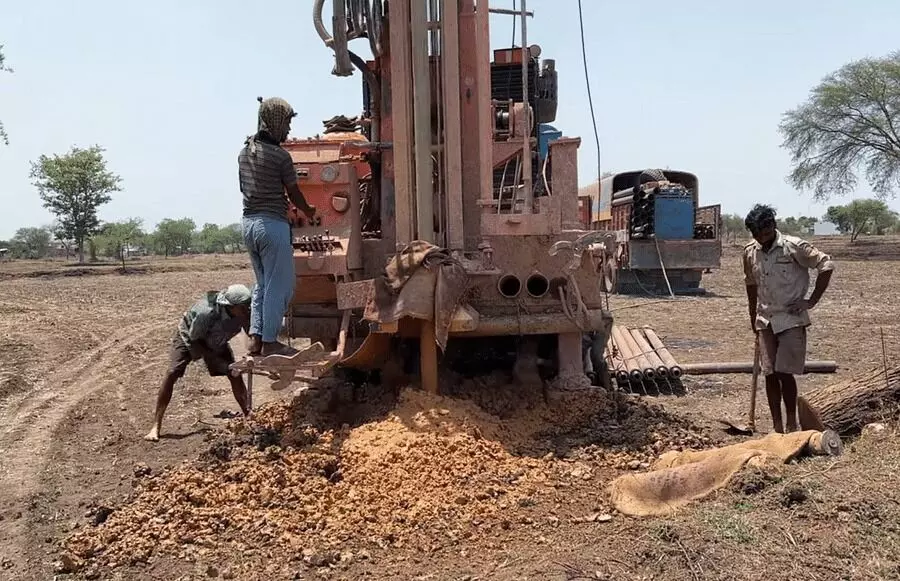
Uttara Kannada: Farmers across parts of Uttara Kannada district are facing increasing difficulties due to water scarcity, with inadequate water availability affecting agricultural activities and crop cultivation. As existing water sources become unreliable, some farmers are turning to borewells in an effort to secure water for their fields. However, drilling a borewell involves significant expenses, forcing several farmers to depend on loans to meet the cost. The financial burden is adding to the challenges already faced by the farming community. When borewells fail to provide sufficient groundwater, farmers may be left with both agricultural losses and additional debt. The situation highlights the need for effective water conservation, groundwater management, rainwater harvesting and irrigation support in drought-prone areas. Strengthening local water resources could help farmers reduce their dependence on costly borewells and provide greater stability for agriculture in Uttara Kannada. With timely support and sustainable water-management measures, the district can work toward improving water security and reducing the financial pressure on its farming community.

Agriculture News

110 acres forest land worth over Rs 100 crore reclaimed in Sirsi

Sirsi: In a significant move to protect forest resources, around 110 acres of forest land valued at more than ₹100 crore has been reclaimed in Sirsi. The action is aimed at restoring government forest land and preventing further encroachment. The recovery of the land is expected to strengthen forest protection efforts in the region and help preserve the natural resources of Uttara Kannada, one of Karnataka’s most forest-rich districts. Authorities have been taking steps to identify and reclaim encroached forest areas while ensuring that such valuable land remains protected. The latest recovery highlights the importance of safeguarding forest property from unauthorized occupation and maintaining the ecological balance of the region. The reclamation of such a large area is being viewed as an important step toward fo

Listings
News
Home
Jobs
Contact